
Official Portal for Governmental, Diplomatic, Institutional, and Public Correspondence
The Hunnic Matinecock Tribal Nation receives official correspondence through the Office of the Grand Chief and its authorized governmental representatives.
This portal is intended for communications involving:
- Indigenous and tribal governments
- Federal, state, and local agencies
- Foreign governments and diplomatic representatives
- Universities and educational institutions
- Healthcare and humanitarian organizations
- Financial and professional institutions
- Cultural and historical organizations
- Media and press
- Strategic partners
- Members of the public seeking official assistance or information
Correspondence submitted through this portal is received as official communication with the government of the Hunnic Matinecock Tribal Nation.
Authority of the Office
Grand Chief and Grand Sachem Donald Travis DuVal Middleton
Sovereign Head of the Hunnic Matinecock Tribal Nation
The Office of the Grand Chief is the principal executive, diplomatic, and administrative office of the Nation.
The Grand Chief exercises responsibility for:
- National governance
- Executive direction
- Indigenous and hereditary affairs
- Intergovernmental relations
- Treaty and compact matters
- International diplomacy
- National appointments
- Strategic alliances
- Cultural stewardship
- Institutional development
- Protection of the Nation’s rights and interests
- Representation of the Nation before outside governments and institutions
The authority of the Office arises through the laws, succession, governmental structure, and inherited continuity of the Hunnic Matinecock Tribal Nation.
Detailed information concerning the Nation’s ancestry, treaties, historical record, sovereign standing, and jurisdiction is maintained on the appropriate official pages of this website.
Office of the Grand Chief
Sovereign Standing & Jurisdiction
Treaties, Compacts & Diplomatic Continuity
Official Titles
All communications should address:

Grand Chief Donald DuVal Middleton
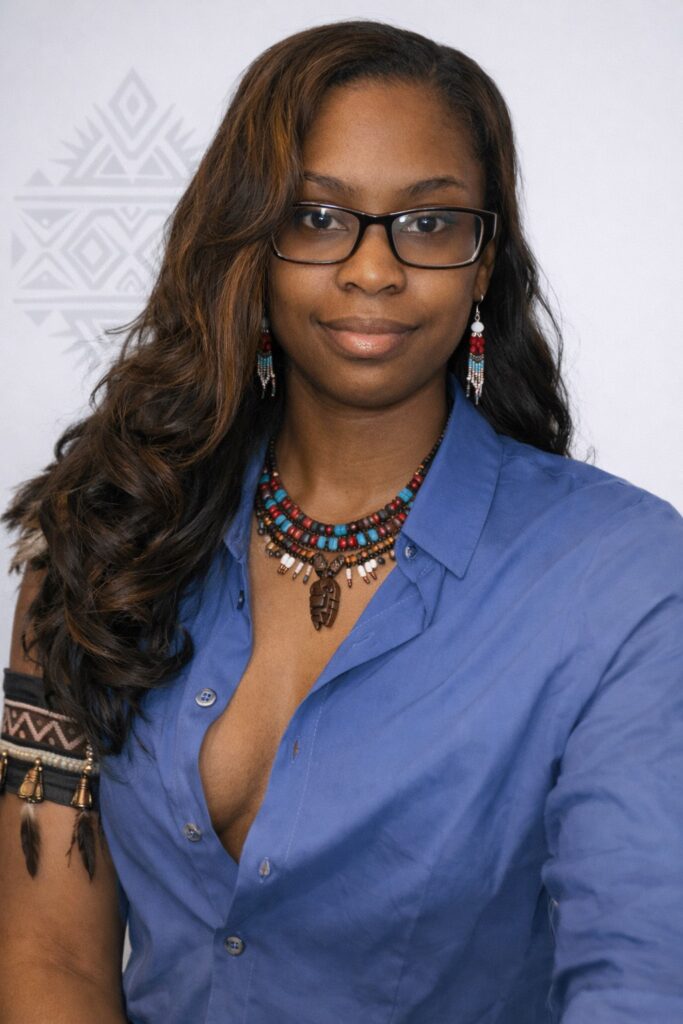
First Lady Katelyn Swinton
First Lady Katelyn Ashley Lord Swinton
First Lady of the Hunnic Matinecock Tribal Nation
Diplomatic Secretary to the Grand Chief
The Office of the First Lady supports the cultural, diplomatic, humanitarian, educational, family, and public-service responsibilities of the Nation.
The First Lady may represent or assist the Nation in matters concerning:
- Diplomatic correspondence
- Cultural relations
- Education and safeguarding
- Children, families, women, and girls
- Humanitarian initiatives
- Community well-being
- Media and responsible storytelling
- Institutional partnerships
- Ceremonial and public representation
- International cultural exchange
The First Lady acts within the authority and responsibilities assigned by the Nation and the Office of the Grand Chief.
General Government Correspondence
Email: Nation@hunnicmatinecocktribalnation.org
Office of the First Lady
Email: FirstLady@hunnicmatinecocktribalnation.org
Mailing Address
Hunnic Matinecock Tribal Nation
30 N. Gould Street
Sheridan, Wyoming 82801
United States
The mailing address is maintained for official correspondence and administrative receipt. Meetings are conducted by appointment or through an authorized virtual or physical location designated by the Nation.
Note to Agencies:
Correspondence Categories
To support proper routing, correspondence should clearly identify its purpose.
Government and Agency Affairs
For correspondence from government departments, public agencies, elected officials, regulatory bodies, and intergovernmental representatives.
Suggested subject line:
Government Correspondence — [Agency or Government Name]
Indigenous and Tribal Relations
For communications from Indigenous nations, hereditary leaders, tribal institutions, elders, councils, and Indigenous organizations.
Suggested subject line:
Indigenous Relations — [Nation or Institution]
Diplomatic and International Affairs
For foreign governments, diplomatic representatives, international institutions, and cross-border initiatives.
Suggested subject line:
Diplomatic Correspondence — [Government or Institution]
Education and Youth
For schools, universities, boards of education, youth organizations, safeguarding matters, research, and educational partnerships.
Suggested subject line:
Education and Youth — [Institution]
Health and Humanitarian Affairs
For hospitals, health systems, medical organizations, humanitarian institutions, relief partners, and community-health initiatives.
Suggested subject line:
Health or Humanitarian Affairs — [Organization]
Alliances and Partnerships
For proposed memoranda of understanding, strategic alliances, institutional cooperation, environmental programs, media relationships, sport, technology, and development initiatives.
Suggested subject line:
Partnership Inquiry — [Organization]
Press and Media
For interviews, statements, credentials, event access, public-information requests, and official media inquiries.
Suggested subject line:
Media Inquiry — [Outlet or Organization]
Historical and Genealogical Records
For archival research, public records, ancestral documentation, source materials, corrections, and scholarly inquiries.
Suggested subject line:
Historical Records — [Subject]
Protocol for Official Correspondence
Official correspondence should include:
- Name and title of the sender
- Government, agency, institution, or organization represented
- Official email address
- Purpose of the communication
- Relevant dates or deadlines
- Supporting documents, where applicable
- Requested action or response
- Preferred contact method
Messages concerning formal agreements should identify the person authorized to negotiate or approve the proposed relationship.
Documents requiring signature should be submitted in a readable and complete format.
Sensitive personal, cultural, legal, or governmental information should not be transmitted through unsecured channels without prior arrangement.
Governmental and Diplomatic Protocol
The Hunnic Matinecock Tribal Nation conducts external relations according to:
- Sovereign equality
- Mutual respect
- Reciprocity
- Non-subordination
- Cultural integrity
- Free, prior, and informed consent
- Indigenous data sovereignty
- Protection of governmental identity
- Clearly defined authority
- Continuing accountability
Submission of correspondence does not establish an alliance, governmental relationship, legal representation, endorsement, or contractual obligation.
Formal relationships arise only through an instrument, appointment, authorization, or decision issued by the appropriate authority of the Nation.
Use of the Nation’s name, seal, insignia, leadership titles, photographs, statements, or institutional identity requires prior authorization where applicable.
Official Records and Privacy
Correspondence received by the Nation may become part of its governmental or institutional records.
The Nation protects confidential, personal, cultural, diplomatic, and legally sensitive information according to its own policies, agreements, and Indigenous data-governance principles.
Public submission does not authorize:
- Publication of private correspondence
- Commercial reuse
- Artificial-intelligence training
- Creation of derivative materials
- Misrepresentation of the Nation’s position
- Use of the Nation’s name or symbols
- Disclosure of protected family or cultural information
Persons submitting confidential information should clearly mark the communication:
CONFIDENTIAL — OFFICIAL CORRESPONDENCE
Marking a communication confidential does not by itself create a legal privilege or confidentiality agreement, but it assists the Nation in routing and handling the material appropriately.
Response and Verification
The Nation reviews correspondence according to governmental priority, subject matter, urgency, and available resources.
A response may be issued by:
- The Grand Chief
- The First Lady
- An authorized governmental officer
- A diplomatic representative
- Legal or administrative counsel
- A designated national institution
- An authorized project or program representative
Only communications issued through an authorized Nation email address, signed governmental document, verified public statement, or formally appointed representative should be treated as an official position of the Hunnic Matinecock Tribal Nation.
Persons seeking to verify a communication, appointment, agreement, or representative may contact the Office of the Grand Chief.
Notice to Governments, Agencies, and Institutions
The Hunnic Matinecock Tribal Nation maintains its own government, offices, records, institutions, laws, diplomatic relations, and national initiatives.
Communications involving the Nation should therefore be directed to the appropriate governmental office rather than treated as private correspondence with an individual officer.
Questions concerning the Nation’s:
- Sovereign standing
- Indigenous-law foundation
- Historical continuity
- Treaty and compact relationships
- Jurisdiction
- Governmental structure
- Ancestral record
should be reviewed through the corresponding official pages and records maintained by the Nation.
The Office of the Grand Chief may provide additional documentation or designate an authorized representative where a governmental or institutional matter requires formal review.
Official Communication Notice
The Office of the Grand Chief represents the executive and diplomatic authority of the Hunnic Matinecock Tribal Nation.
Official correspondence received through this portal is entered and considered within the governmental functions of the Nation.
Nothing communicated through this portal shall be interpreted as:
- A waiver of sovereign immunity
- Consent to an outside forum
- Surrender of jurisdiction
- Acceptance of an unauthorized obligation
- Approval of a proposed agreement
- Authorization to represent the Nation
- Permission to use the Nation’s name, seal, or identity
Any waiver, consent, agreement, appointment, or authorization must be express, written, and issued by the appropriate national authority.